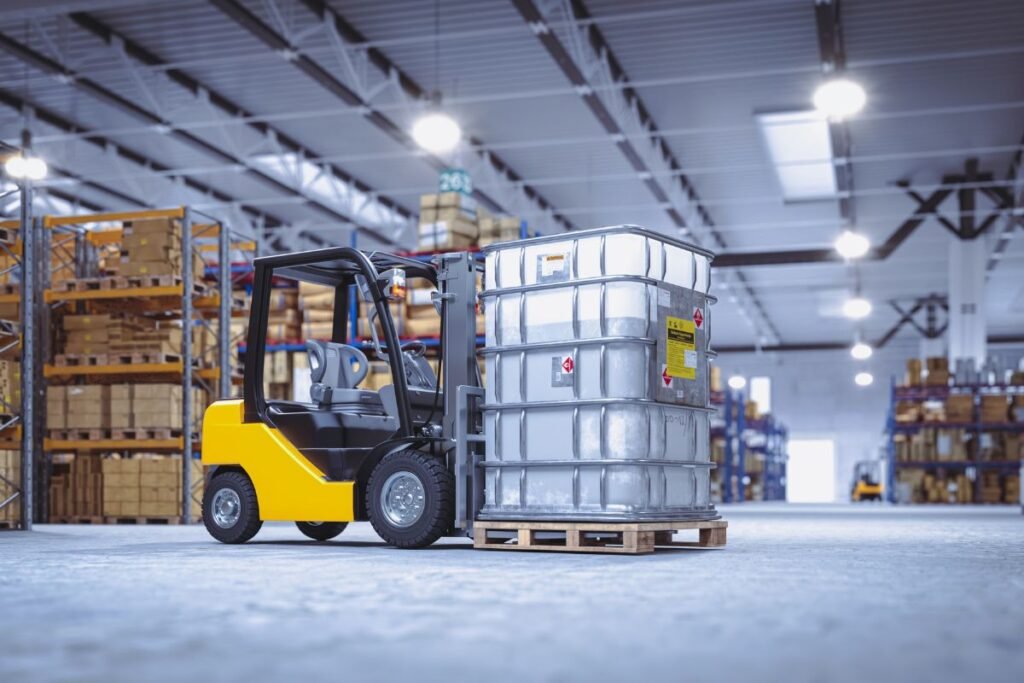
Counterbalance forklifts are widely used for moving, loading, unloading and stacking materials, but operating one safely requires more than simply knowing how to drive the truck. counterbalance truck training covers the skills and knowledge operators need to understand the machine, handle loads safely, work around pedestrians and other vehicles, and operate within the conditions of their workplace.
For new operators, training provides a structured introduction to forklift controls, stability, load handling and safe operating practices. For experienced operators, additional or refresher training may be appropriate when equipment, working conditions or responsibilities change.
Forklift Training Centre provides training for businesses and operators looking for professional forklift training in Peterborough, Stamford and Huntingdon, with training focused on the type of equipment and operating environment involved.
What Is Counterbalance Truck Training?
Counterbalance truck training teaches operators how to use a counterbalance truck safely and competently in a workplace environment.
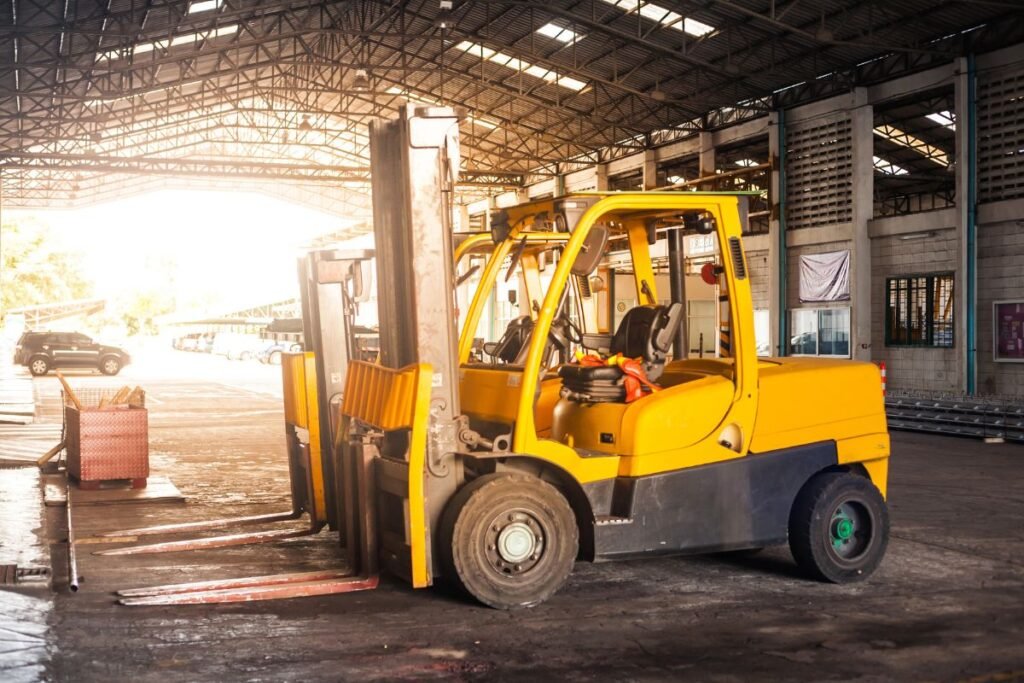
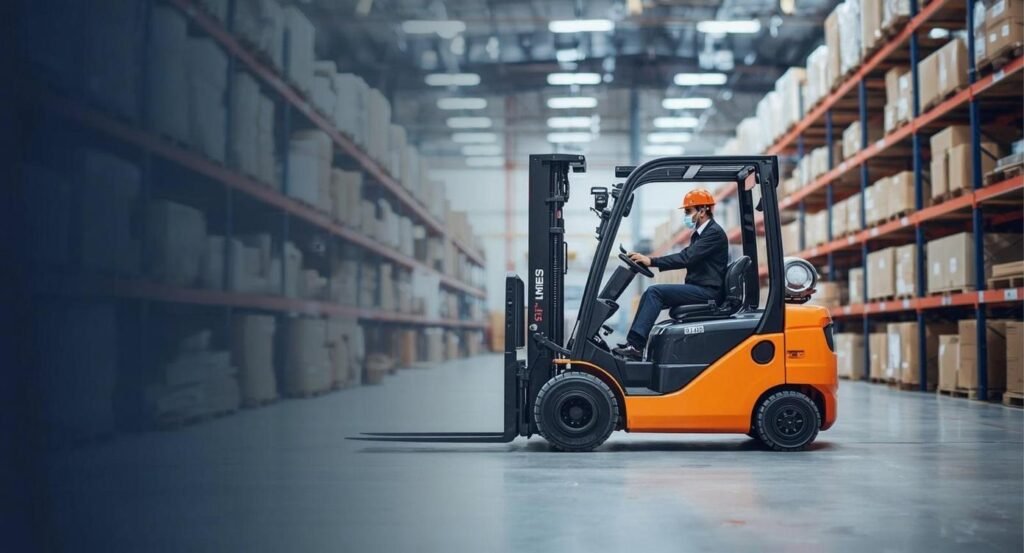
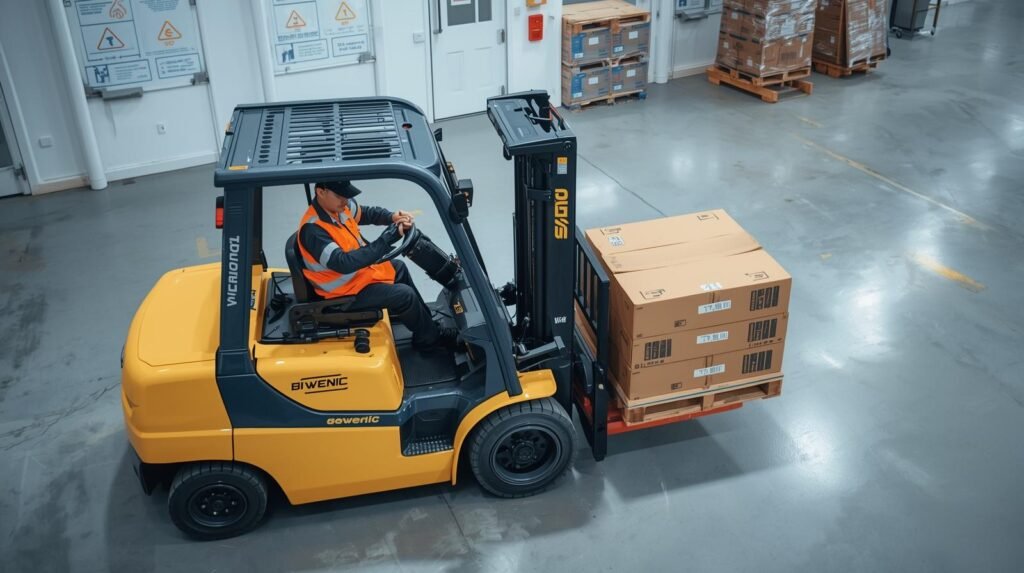
A counterbalance forklift uses a counterweight at the rear of the truck to balance the load carried on the forks. This design makes the truck suitable for a wide range of material-handling applications, including moving pallets, loading and unloading vehicles, transporting goods and stacking materials.
Training generally combines theory and practical instruction, allowing operators to understand both the principles behind safe forklift operation and how those principles apply when using the equipment.
Key areas can include:
- Identifying the main forklift controls and functions
- Understanding the forklift’s stability and centre of gravity
- Carrying and positioning loads safely
- Understanding rated capacity and load limitations
- Conducting appropriate pre-use checks
- Steering, braking and manoeuvring
- Approaching and leaving loads correctly
- Stacking and de-stacking where relevant
- Operating around pedestrians and other workplace traffic
- Recognising hazards within the operating environment
- Parking and securing the forklift correctly
- Demonstrating safe operating practices during assessment
The exact content and training approach should reflect the truck being used and the tasks the operator is expected to perform.
Who Needs Counterbalance Truck Training?
Counterbalance training is relevant to people who need to operate a counterbalance forklift as part of their work, whether they are completely new to forklift operation or already have experience.
A new operator needs to develop the fundamental knowledge and practical skills required to handle the truck safely. An experienced operator may require additional training where there has been a change in equipment, working environment, duties or identified operating practices.
Training can therefore be relevant for:
- New forklift operators
- Employees moving into a material-handling role
- Experienced operators changing to a different type of truck
- Operators who require refresher training
- Businesses introducing different equipment or workplace conditions
- Employers looking to develop operator competence for specific workplace tasks
Previous experience can be useful, but experience on one type of forklift does not automatically mean an operator has been trained for every other type of truck or operating environment.
What Does Counterbalance Forklift Training Cover?
A professional course should address both operator knowledge and practical application.
Forklift Controls and Operation
Operators need to understand how the truck’s controls work and how steering, braking, lifting and lowering affect the machine during normal operation.
Stability and Load Handling
Understanding stability is one of the most important parts of forklift operation. Operators need to recognise how load weight, load position, lift height, travel conditions and other factors can affect the stability of the truck.
Pre-Use Checks
Operators should understand the importance of checking the forklift before use and identifying issues that could affect safe operation. This helps ensure problems are identified and reported rather than ignored.
Manoeuvring and Workplace Movement
Practical training can cover steering, reversing, positioning, turning, travelling with loads and working around obstacles. The operator also needs to understand how workplace layout affects the way the truck should be used.
Load Placement
Depending on the workplace, operators may need to move pallets or other loads into designated positions. Training should address safe approaches, positioning and load handling relevant to the equipment and tasks involved.
Pedestrian and Workplace Safety
Forklifts often operate in environments where people, vehicles, racking, doors and other hazards are present. Operators need to recognise these risks and apply appropriate safe working practices.
How Long Does Counterbalance Forklift Truck Training Take?
There is no single training duration that applies to every operator.
The amount of training required can depend on the operator’s previous experience, the equipment being used, the workplace environment, the complexity of the tasks and how quickly the learner demonstrates the required level of competence.
A complete beginner will generally need to learn the fundamentals from the start, while an experienced operator may have different training needs. Employers should also consider whether the operator will work indoors, outdoors, in confined areas, around pedestrians, with particular loads or in other conditions that affect the practical requirements.
The important consideration is not simply completing a set number of hours. The operator needs to demonstrate the knowledge and practical ability required for safe operation.
Can Beginners Take Counterbalance Forklift Training?
Yes. Counterbalance truck training can be undertaken by people who have no previous forklift operating experience.
Beginner training starts with the fundamentals before progressing into practical operation. This allows the learner to become familiar with the equipment and understand why particular operating procedures are required.
For someone starting their first forklift role, choosing training that reflects the type of truck and work they will actually perform is important. A warehouse operator, for example, may encounter different conditions from someone working in a busy yard or loading area.
For businesses arranging forklift training in Peterborough, Stamford or Huntingdon, providing the trainer with relevant information about the workplace and intended tasks can help ensure the training is appropriate to the operator’s role.
Does Previous Forklift Experience Matter?
Previous experience can help an operator become familiar with certain aspects of forklift operation, but it should not be treated as a substitute for appropriate training.
Different trucks can have different characteristics and controls, while workplace conditions can also change the skills required. An operator who has experience on one type of equipment may therefore need additional training when moving to another type.
Employers should consider the operator’s actual experience, the equipment involved and the conditions in which the forklift will be used.
When Is Refresher Training Appropriate?
Refresher training may be appropriate when an operator’s skills or working circumstances need to be reviewed.
Examples can include:
- An operator has not used a forklift for an extended period
- Unsafe operating practices have been identified
- There has been an incident or near miss
- The workplace or operating conditions have changed
- Different equipment has been introduced
- An employer identifies a need for additional training
- An operator’s duties have changed
The purpose is to address the specific training need rather than simply treating refresher training as a routine administrative exercise.
Why Does the Workplace Matter?
Forklift training should make sense in the context of where the operator will actually work.
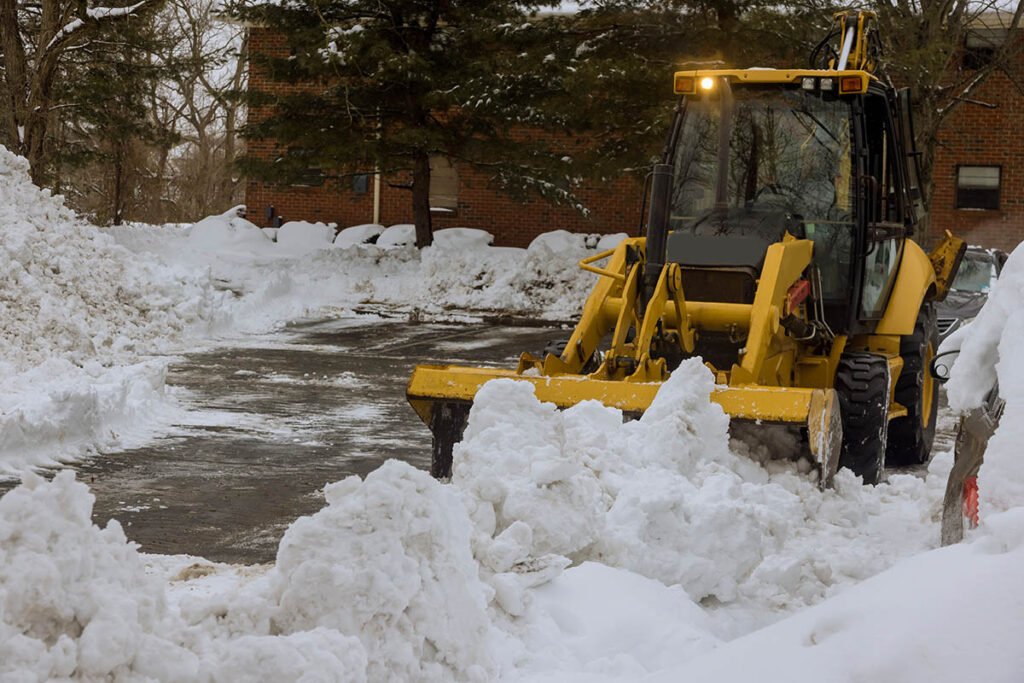
Factors such as floor conditions, available space, pedestrian movement, vehicle routes, racking, load types, visibility and indoor or outdoor operation can all affect forklift use.
This is particularly relevant for employers arranging training for their teams. Providing information about the working environment helps the training provider understand the practical conditions operators will face.
Forklift Training Centre can support businesses looking for training in Peterborough, Stamford and Huntingdon, making these areas relevant options for employers arranging operator training locally.
Choosing Counterbalance Forklift Training for Your Workplace
The right training should match the operator, equipment and intended work.
Before arranging a course, employers should consider:
- What type of counterbalance forklift will the operator use?
- Is the operator completely new or already experienced?
- What loads will they handle?
- Will they work indoors, outdoors or both?
- Will they operate around pedestrians?
- What does the workplace layout look like?
- Are there specific tasks the operator needs to perform?
- Does the operator require initial, additional or refresher training?
Giving accurate information before training begins can help ensure the course is relevant to the actual role.
If you are looking for counterbalance forklift training in Peterborough, or arranging operator training for a business in Stamford or Huntingdon, Forklift Training Centre can discuss your requirements and help identify the appropriate training route for your operators.
What Should Operators Do After Training?
Completing training is an important part of becoming a competent forklift operator, but safe operation continues in the workplace.
Operators should follow their employer’s procedures, use the equipment only for tasks they have been trained and authorised to perform, carry out the required checks and report problems appropriately.
Employers should also monitor working practices and consider whether further training is needed when equipment, duties or workplace conditions change.
This ongoing approach helps keep forklift operation aligned with the actual risks and responsibilities of the job.
Frequently Asked Questions
Training duration varies according to the operator’s previous experience, the equipment, workplace conditions and the skills that need to be developed. Beginners may require more training than experienced operators, but competence rather than a fixed number of hours should be the main consideration.
Yes. Beginners can undertake counterbalance forklift training. The course can introduce the fundamentals of forklift operation before progressing to practical skills and assessment.
Yes. Practical training is an important part of learning to operate a counterbalance forklift. Operators need to demonstrate that they can apply safe operating principles when using the equipment.
Refresher training can be appropriate when an operator has been away from forklift operation, when unsafe practices have been identified or when equipment, duties or workplace conditions change.
Experience on another type of forklift may provide useful operating experience, but it does not automatically mean that an operator has received the appropriate training for a counterbalance truck. The equipment and workplace requirements should be considered separately.
Forklift Training Centre provides forklift training for operators and businesses across Peterborough, Stamford and Huntingdon. Contact the training centre to discuss your equipment, operator experience and workplace requirements.
Arrange Counterbalance Forklift Training
Whether you are training a new operator or arranging additional training for an experienced member of your team, the course should reflect the equipment and conditions in which the forklift will actually be used.
Forklift Training Centre can help businesses and operators looking for counterbalance forklift training in Peterborough, Stamford and Huntingdon. Contact the team to discuss your requirements and arrange suitable training.