

Making real progress in forklift and plant training is not just about time spent on the machine. It depends on how focused and structured each training session is. Many candidates attend regular sessions but progress slowly because they approach each one without clear direction.
If you want to improve faster, every session needs purpose, consistency, and reflection. Whether you are working towards forklift certification or developing plant operating skills, the same principle applies: structured, focused practice leads to safer and more confident performance.
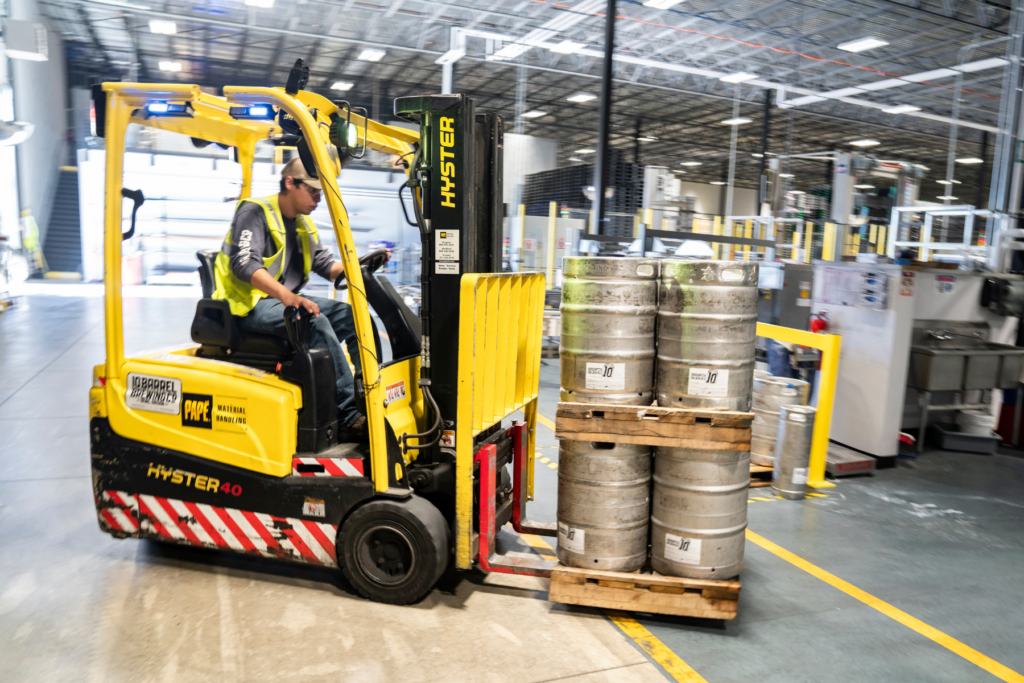
Set a clear objective before each session
One of the main differences between steady progress and slow improvement is preparation. Turning up without a clear focus often leads to repeating the same mistakes.
Before each session, decide what you need to improve. This could include load handling, reversing accuracy, controlled lifting, or spatial awareness in tight areas.
A focused session helps you:
- concentrate on one key skill at a time
- receive clearer feedback from your instructor
- track improvement more effectively over time
Even small, specific goals make a noticeable difference when applied consistently.
Build strong awareness habits early
Safe operation is not just about controlling the machine, it is about understanding the environment around it.
Strong candidates develop awareness early by:
- checking surroundings before every movement
- identifying hazards before they become a risk
- staying aware of people, vehicles, and structures on site
In real warehouse or construction environments, conditions can change quickly. Good awareness helps you adapt smoothly rather than react late.
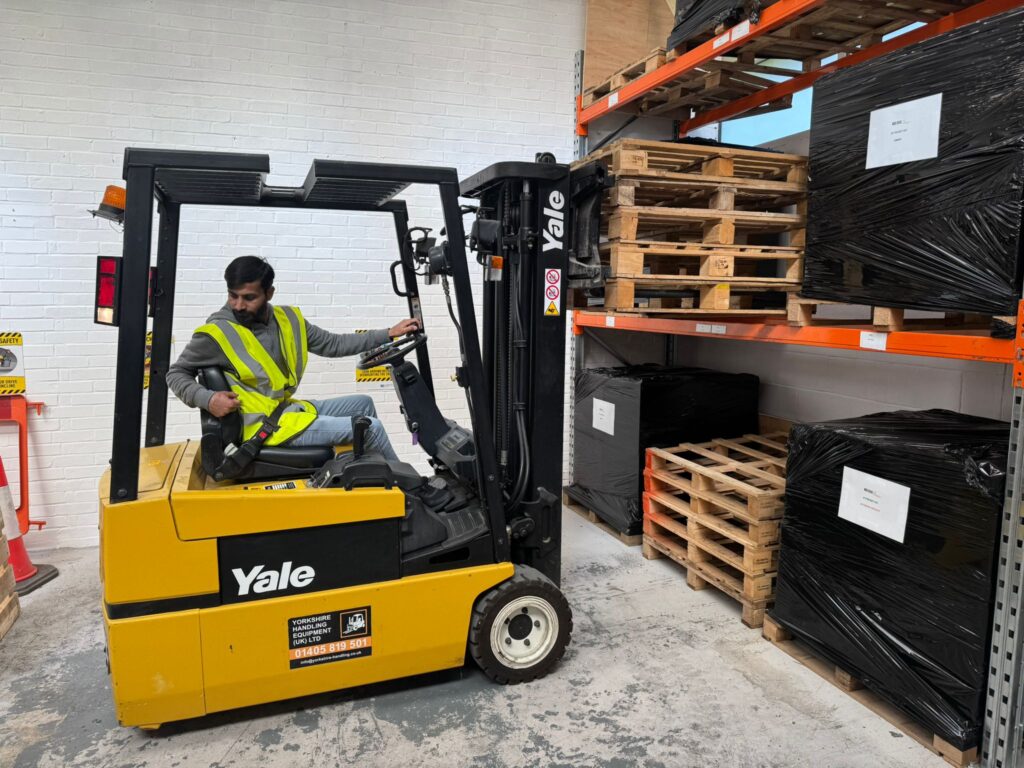
Focus on decision-making, not just instruction
At the beginning, it is normal to rely on instructor guidance. However, real progress starts when you begin making safe decisions independently.
Instead of waiting for direction, start thinking through situations:
- Is the area safe to manoeuvre?
- Is the load stable and within safe limits?
- What is the safest next movement?
This shift from instruction-led operation to independent decision-making is what builds long-term competence.
Work on one area at a time
Trying to fix everything at once usually slows progress. Focus is more effective when it is targeted.
If reversing accuracy is weak, focus on that. If load control needs improvement, prioritise it during the session.
This approach helps you:
- build stronger and more reliable habits
- avoid confusion during training
- see measurable improvement session by session
Use feedback immediately
Feedback only becomes useful when it is applied straight away. Many candidates understand corrections but do not adjust their actions during the same session.
When an instructor gives feedback, treat it as an immediate adjustment rather than something to remember for later. Repeating the correction in real time builds stronger muscle memory and improves retention.
Over time, this significantly speeds up development.
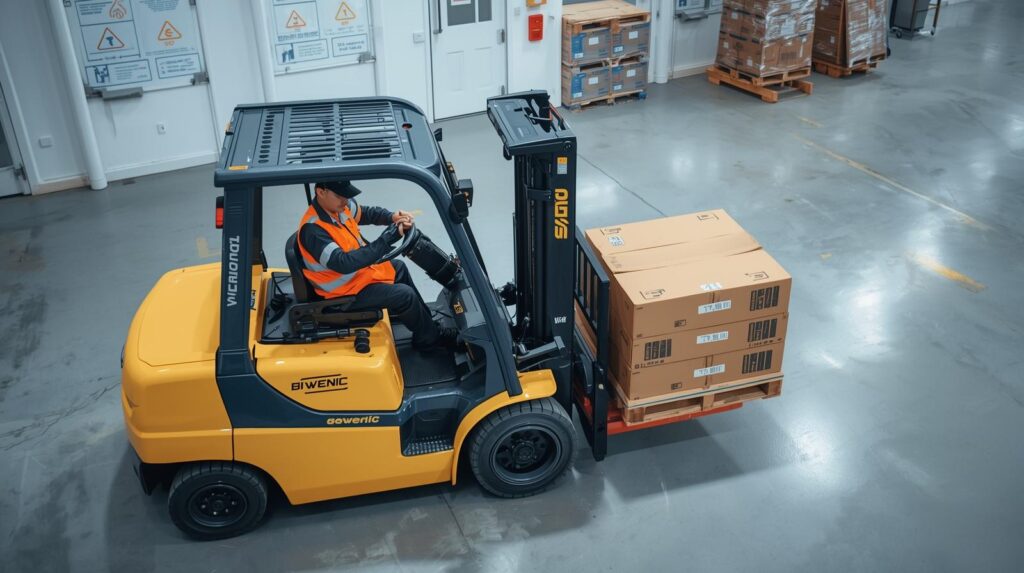
Stay consistent and composed
Mistakes are a normal part of learning, especially in early training stages. What matters is how you respond to them.
Staying calm helps you absorb instructions more effectively, while frustration slows down progress. Regular sessions also help reinforce learning by building continuity instead of repetition of errors.
Structured training environments, such as those delivered through Forklift Training Centre, help provide clear progression so each session builds on the last rather than starting from scratch.
Progress in forklift and plant training does not come from doing more sessions, but from making each session more effective. When training has clear focus, structured feedback, and consistent application, improvement becomes faster and more noticeable.
With the right mindset and structured approach, candidates develop safer habits, stronger control, and more confidence that carries through into real workplace environments.