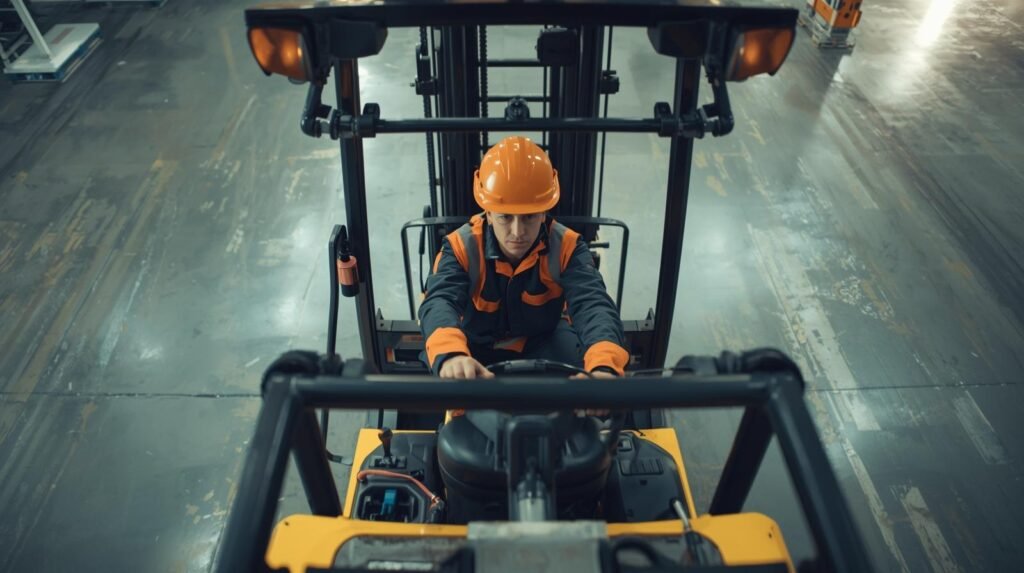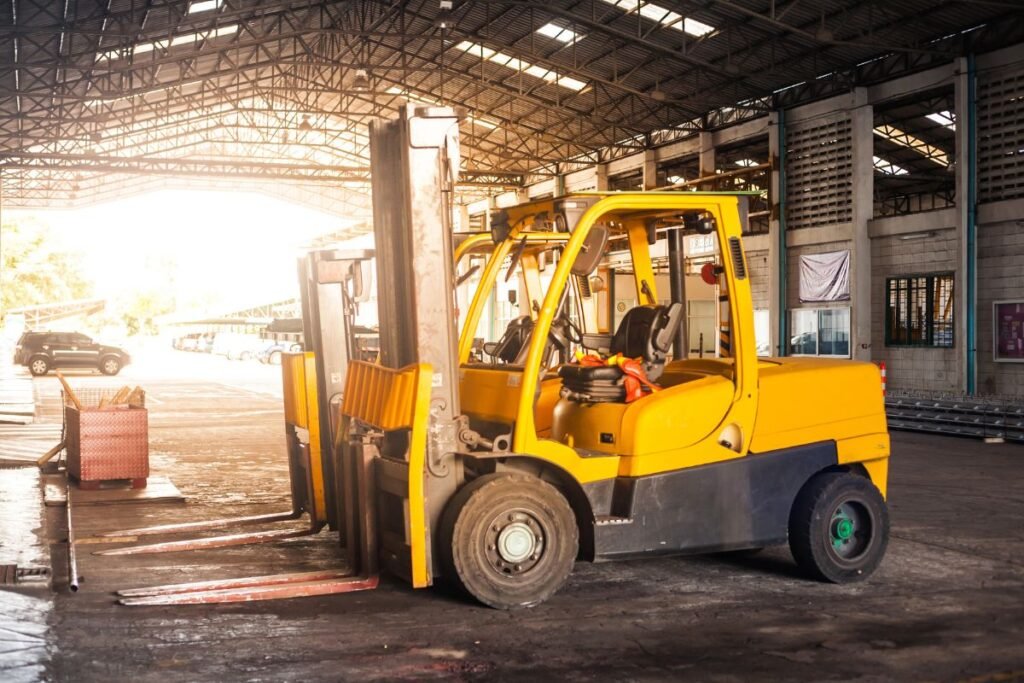
If you are new to forklift operation, one of the first things you will want to know is how long forklift training takes and when you can start operating independently. There is no universal number of hours that applies to every operator. Training time depends on your previous experience, the type of forklift you will operate, your working environment and, most importantly, how quickly you can demonstrate the required knowledge and practical skills.
For a complete beginner, forklift training normally involves both theory and practical instruction, followed by assessment. Experienced operators may require a different type of training, such as refresher or conversion training, depending on their circumstances.
Forklift Training Centre provides training for operators and businesses across Peterborough, Stamford and Huntingdon, helping employers arrange appropriate training for their workforce and helping new operators develop safe, competent operating skills.
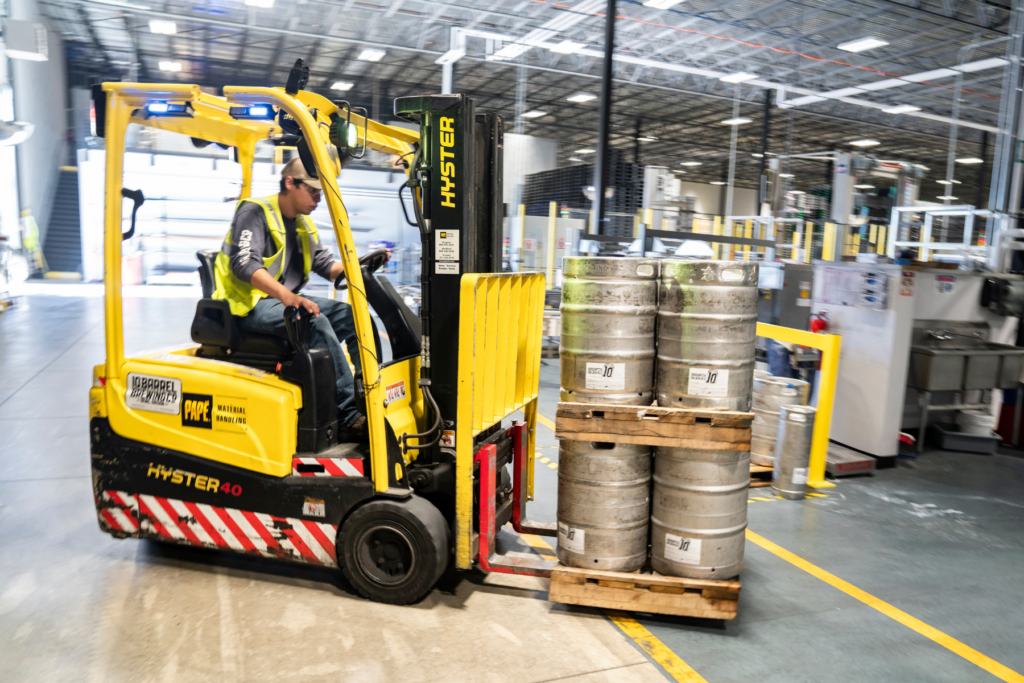
How Long Does Forklift Training Take?
Forklift training does not have one fixed duration for every learner. A beginner with no previous experience will generally need more instruction than an experienced operator who is familiar with forklift operation and requires additional training for a different truck or workplace situation.
The main factors that affect training time include:
- Your previous forklift operating experience
- The type and specification of forklift being used
- The complexity of your workplace
- The loads and handling tasks involved
- Your ability to understand the theory and safety requirements
- Your practical progress during training
- Whether you need initial, conversion or refresher training
The important consideration is not simply how quickly a course can be completed. An operator needs to demonstrate that they can use the equipment safely and competently for the tasks they are expected to perform.
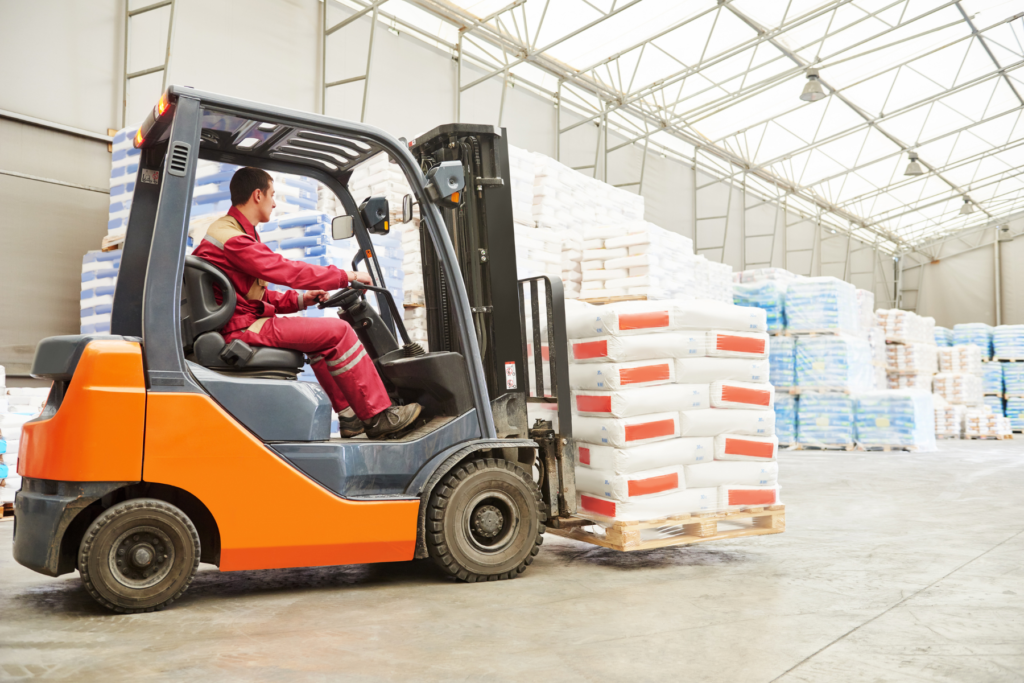
What Does Forklift Training Cover?
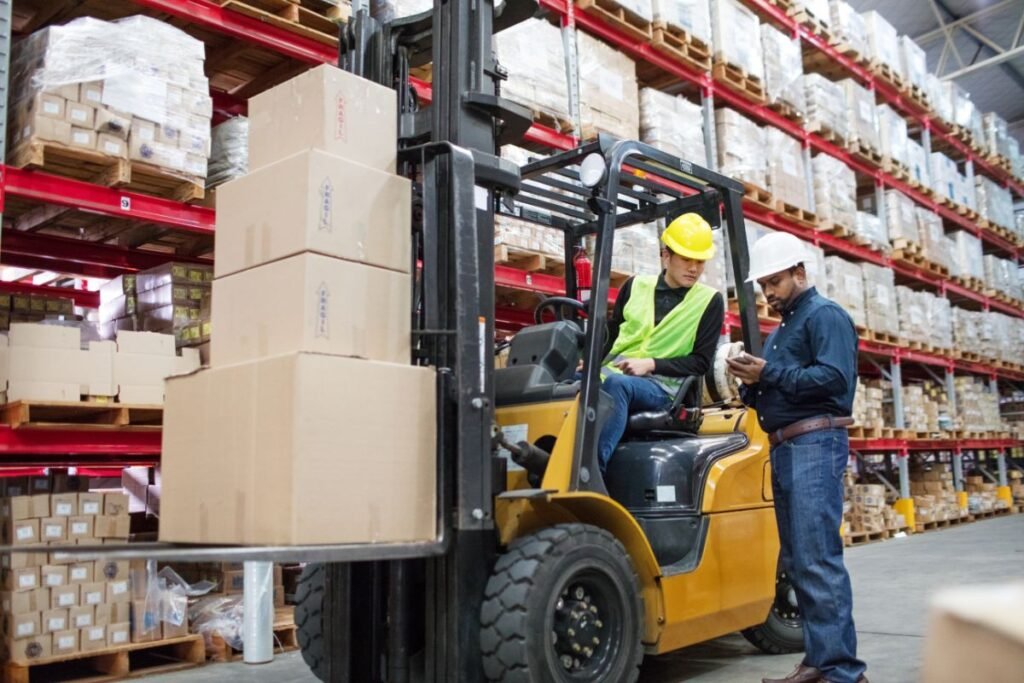
Good forklift operator training combines knowledge with practical experience. New operators need to understand both how to operate a forklift and how to recognise the risks associated with operating one in a working environment.
Depending on the course and equipment, training may cover:
- Forklift controls and operating principles
- Pre-use and safety checks
- Stability and load handling
- Rated capacity and safe lifting
- Steering, braking and manoeuvring
- Picking up and transporting loads
- Stacking and de-stacking
- Working around pedestrians and other vehicles
- Workplace hazards and safe operating procedures
- Parking and securing the forklift
- Practical operation and assessment
This combination is important because forklift operation is not simply a matter of learning which controls to use. Operators need to understand how loads, speed, visibility, floor conditions, pedestrians and the surrounding workplace can affect safe operation.
What Happens During Training?
Although the exact course structure can vary, forklift training generally involves a progression from knowledge to supervised practical operation.
Theory and Safety Knowledge
The theory element helps learners understand the equipment and the principles behind safe operation.
This can include understanding:
- The forklift’s controls and functions
- Stability and load capacity
- Safe load positioning
- Pre-use inspection requirements
- Workplace hazards
- Pedestrian awareness
- Safe travelling and manoeuvring
- Procedures for parking and securing equipment
Understanding these principles gives operators a foundation for making safer decisions when they move on to practical exercises.
Practical Forklift Training
The practical element allows learners to apply that knowledge under instruction.
New operators may practise:
- Starting and stopping safely
- Moving forwards and backwards
- Steering and manoeuvring
- Approaching and handling loads
- Travelling with loads safely positioned
- Stacking and removing loads
- Working around obstacles
- Maintaining appropriate awareness of pedestrians and the surrounding environment
As the learner progresses, the instructor can identify areas requiring additional practice before assessment.
How Long Does Forklift Training Take for a Complete Beginner?
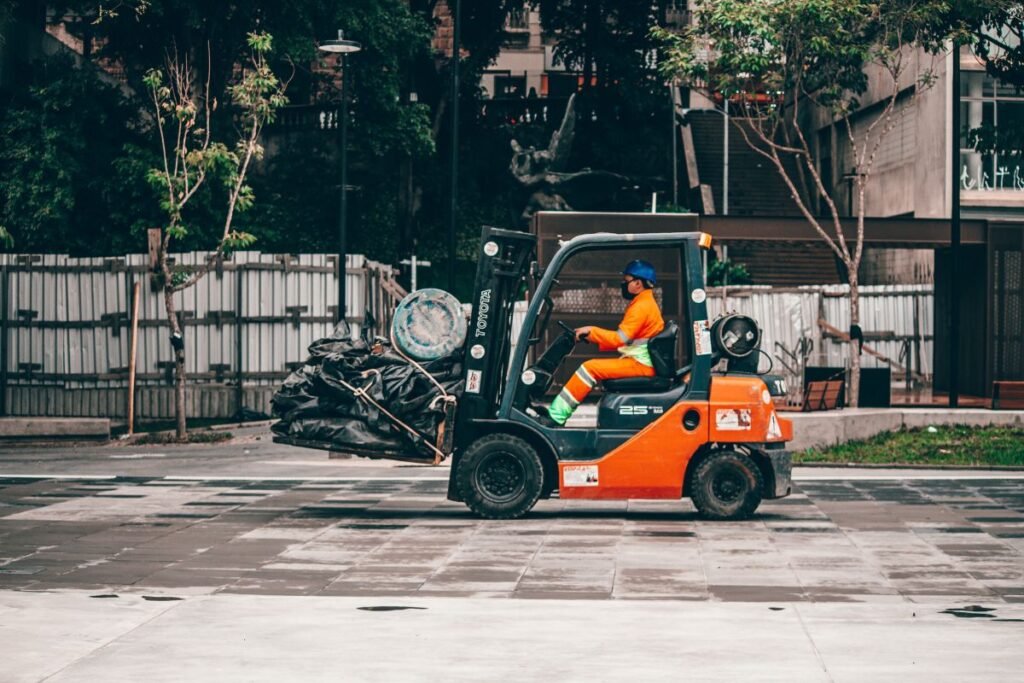
Someone who has never operated a forklift will need to learn the fundamentals from the beginning. This normally means understanding the equipment, learning the safety principles and developing practical control before moving on to more complex handling tasks.
The actual training time will depend on the individual learner and the training requirements. Two people with no previous experience may progress at different rates.
For employers, this is why choosing training based purely on the shortest available course is not necessarily the best approach. The objective should be to ensure the operator has developed the competence required for their intended work.
If you are arranging forklift training in Peterborough, Stamford or Huntingdon for a new employee, it is useful to provide the training provider with information about the forklift, workplace and tasks involved before training begins.
Does Previous Experience Reduce Training Time?
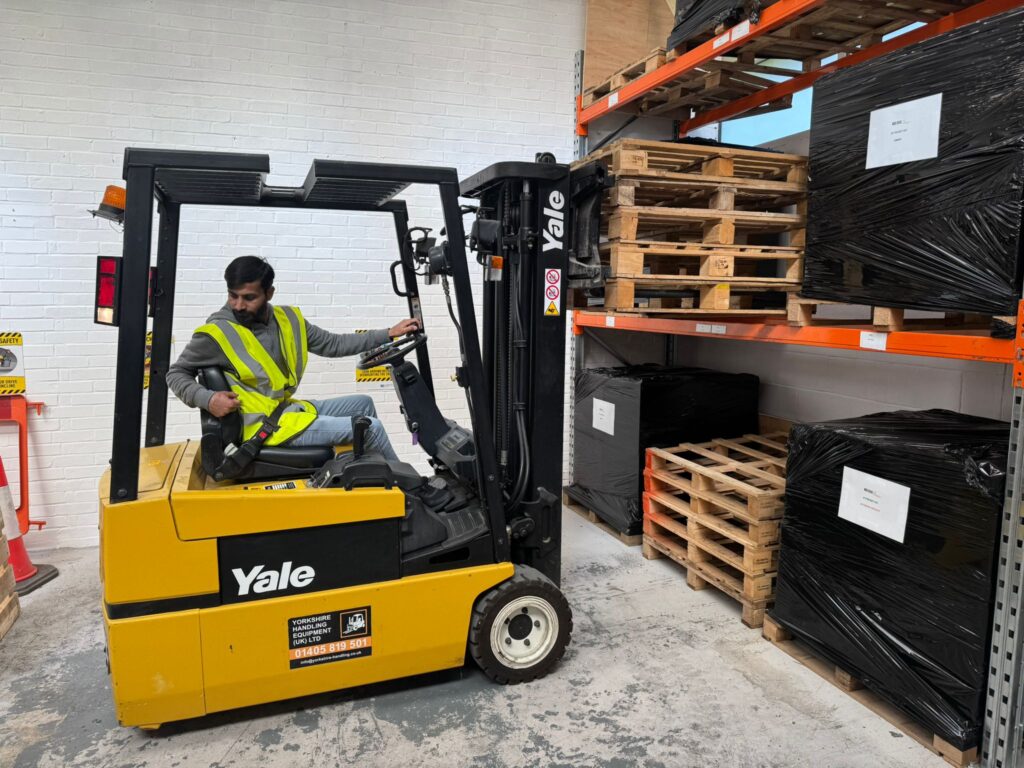
Previous experience can be relevant, but it does not automatically mean that an operator can move straight into a new forklift role without appropriate training.
An experienced operator may already understand fundamental principles such as steering, load handling and workplace awareness. However, different types of trucks and different working environments can introduce new operating requirements.
For example, an operator who has experience with one type of forklift may need additional training before operating another type of truck.
The training provider should therefore consider the operator’s existing knowledge and the equipment they will actually use.
What Is Refresher Forklift Training?
Refresher forklift training is intended for operators who already have experience but require their knowledge or practical skills to be reinforced or updated.
It may be considered where:
- An operator has not used a forklift for an extended period
- Unsafe operating practices have been identified
- There has been an incident or near miss
- The operator’s role or working environment has changed
- New equipment or operating conditions have been introduced
- An employer identifies a need for additional training
Refresher training should focus on the operator’s actual needs rather than treating every experienced operator in exactly the same way.
What Is Conversion or Additional Forklift Training?
An operator may also need additional training when moving to a different type of forklift or taking on tasks that require different skills.
For example, becoming familiar with one type of truck does not automatically demonstrate competence on every other type of lifting equipment.
The appropriate training will depend on the equipment and the work involved. Employers should discuss these requirements with their training provider before arranging a course.
Why Does the Workplace Matter?
Forklift training should reflect the environment in which the operator will actually work.
A warehouse with clearly defined pedestrian routes may present different challenges from a busy yard, manufacturing facility or distribution operation.
Factors that can affect training requirements include:
- Available operating space
- Pedestrian and vehicle movements
- Floor conditions
- Racking and storage arrangements
- Load types and sizes
- Visibility
- Loading and unloading activities
- Indoor or outdoor operation
- Traffic routes and workplace layout
This is one reason a professional training provider should understand the operator’s intended working environment when determining the appropriate training approach.
Choosing Forklift Training Centre
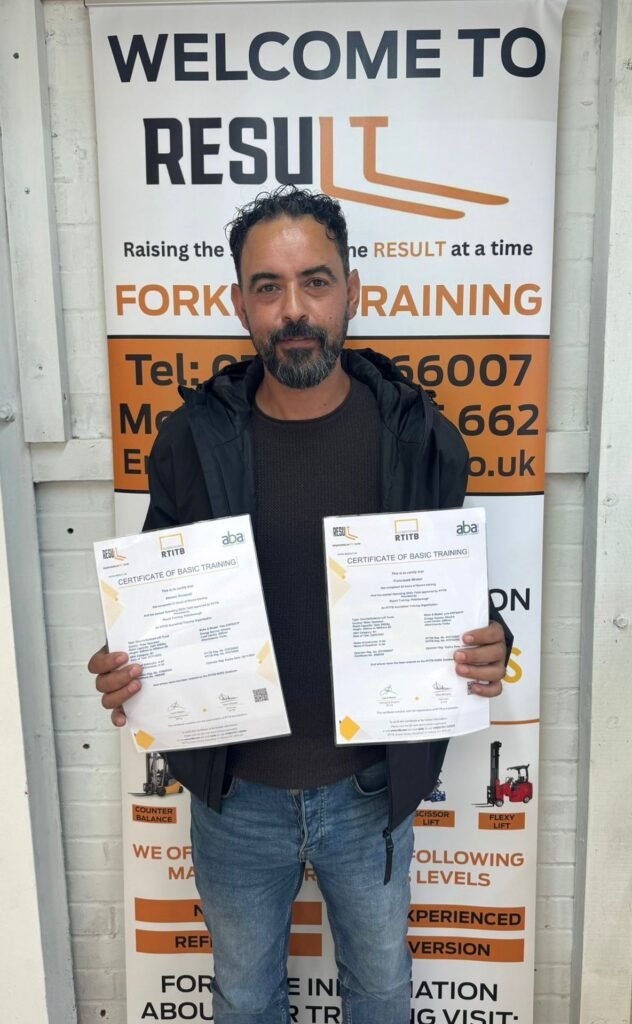
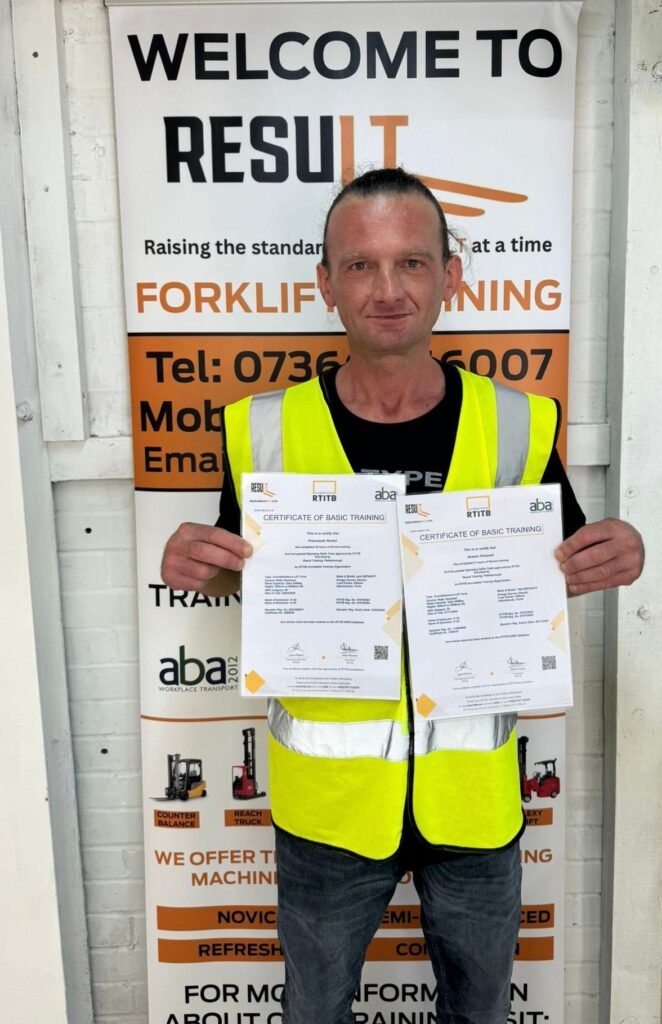
If you are searching for forklift training near Peterborough, Stamford or Huntingdon, the course location is only one part of the decision. Employers should also consider whether the training is appropriate for their equipment, operators and workplace requirements.
Forklift Training Centre works with businesses and operators in these areas, providing a local option for organisations arranging forklift operator training.
When comparing providers, consider:
- Whether the training is suitable for the type of forklift being used
- Whether the course is appropriate for the operator’s experience
- The balance between theory and practical training
- How assessment is carried out
- Whether the provider understands workplace-specific requirements
- What support is available when additional training is needed
A suitable course should prepare an operator for the work they are actually expected to carry out, rather than simply focusing on completing training as quickly as possible.
How Can Employers Prepare for Forklift Training?
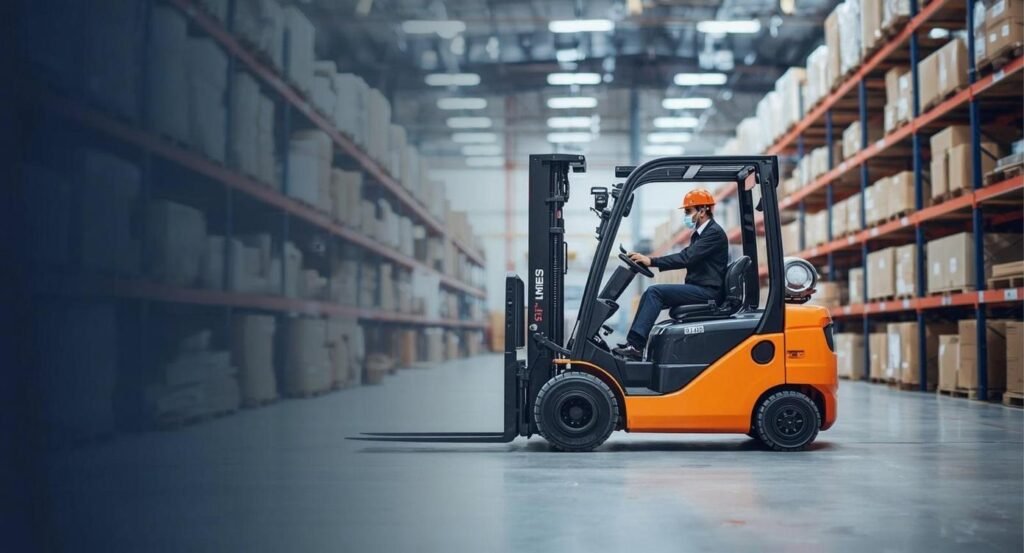
Employers can help make training more effective by providing accurate information about the job and equipment before the course begins.
Useful information can include:
- The make and type of forklift
- The operator’s previous experience
- The types of loads being handled
- Typical working conditions
- Indoor or outdoor operating areas
- Pedestrian and vehicle traffic
- Any previous operating concerns or incidents
This allows the training provider to understand the context in which the operator will be working and identify the appropriate training requirements.
What Happens After Forklift Training?
Completing training is an important step, but safe forklift operation also depends on what happens afterwards.
Operators should continue following workplace procedures and use the equipment only for tasks they are trained and authorised to undertake. Employers should also monitor operating practices and address any concerns that arise.
Additional instruction may be appropriate if there are significant changes to equipment, duties or working conditions, or if an operator’s performance indicates that further development is required.
The goal of forklift training is therefore not simply to complete a course. It is to develop and maintain safe, competent and responsible forklift operation.
Frequently Asked Questions
There is no single duration for every operator. Training time depends on factors such as previous experience, forklift type, workplace conditions and the learner’s ability to demonstrate the required knowledge and practical skills.
Yes. Forklift training can be undertaken by people with no previous forklift operating experience. Beginners learn the relevant safety knowledge and practical operating skills under instruction before assessment.
Yes. Practical instruction is a key part of learning to operate a forklift. Learners practise relevant operating and load-handling skills under supervision.
Refresher training can be appropriate where an experienced operator needs to reinforce their skills, address unsafe practices or adapt to changes in their equipment or working environment.
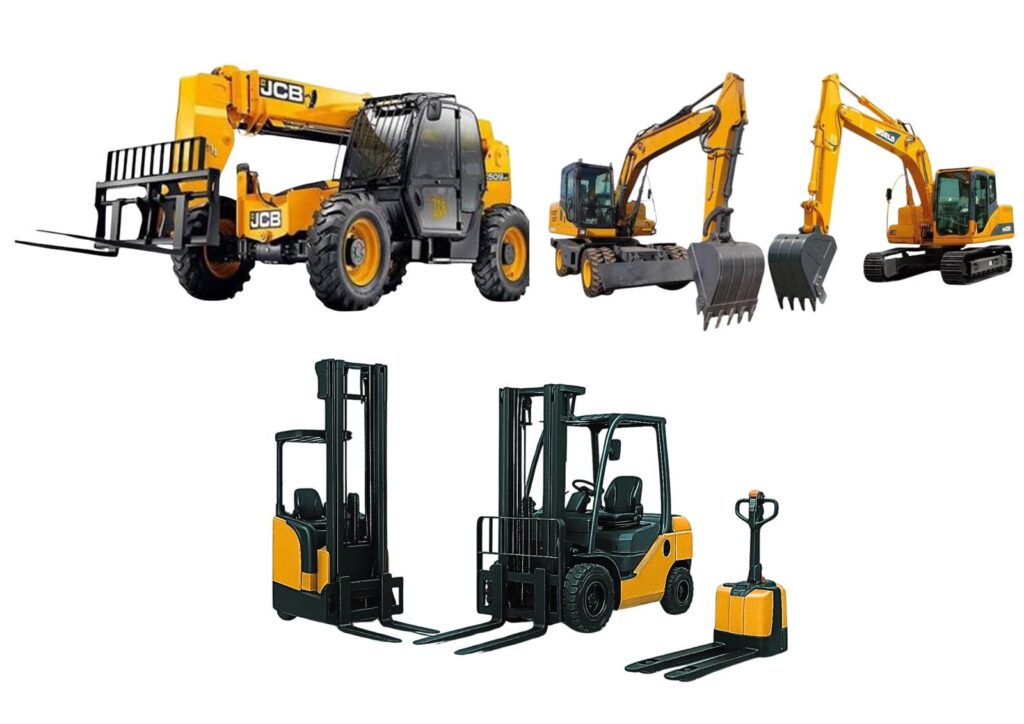
Training requirements can vary according to the type of truck and equipment being used. Operators may require additional training when moving to a different type of forklift.
Forklift Training Centre provides training support for operators and businesses across Peterborough, Stamford and Huntingdon. Contact the centre to discuss your requirements and the type of forklift training you need.
Arrange Forklift Training with Forklift Training Centre
Whether you are a new operator looking to develop your skills or an employer arranging training for your workforce, choosing the right training programme is an important part of maintaining safe forklift operations.
Forklift Training Centre provides forklift training for businesses and operators across Peterborough, Stamford and Huntingdon, with training requirements considered according to the operator, equipment and working environment.
Contact Forklift Training Centre to discuss your requirements and find out which training option is suitable for your needs.