A powered pallet truck looks simple. There is no mast, no racking and no high lifting, so many people assume anyone can pick one up and start work. In reality, these trucks are heavy, fast and capable of causing serious injuries, which is why employers increasingly expect operators to be trained before using them.
Forklift Training Centre provides RTITB and NPORS accredited powered pallet truck training for individuals and employers in Wisbech, Peterborough, Stamford and Huntingdon, with onsite training also available at employers’ premises anywhere in the UK. Whether you are training one operator or a whole team, our courses are designed to prepare staff for real warehouse, loading bay and distribution work.
What Is a Powered Pallet Truck?
A powered pallet truck (often shortened to PPT) is an electric truck used to move pallets over short distances at ground level. Unlike a manual hand pallet truck, it has a motor and battery, so it can carry heavier loads further and faster with much less effort.
There are two common types:
- Pedestrian pallet trucks, where the operator walks alongside or in front of the truck and steers with a tiller (handle).
- Rider or stand-on pallet trucks, where the operator stands or sits on the truck while it travels.
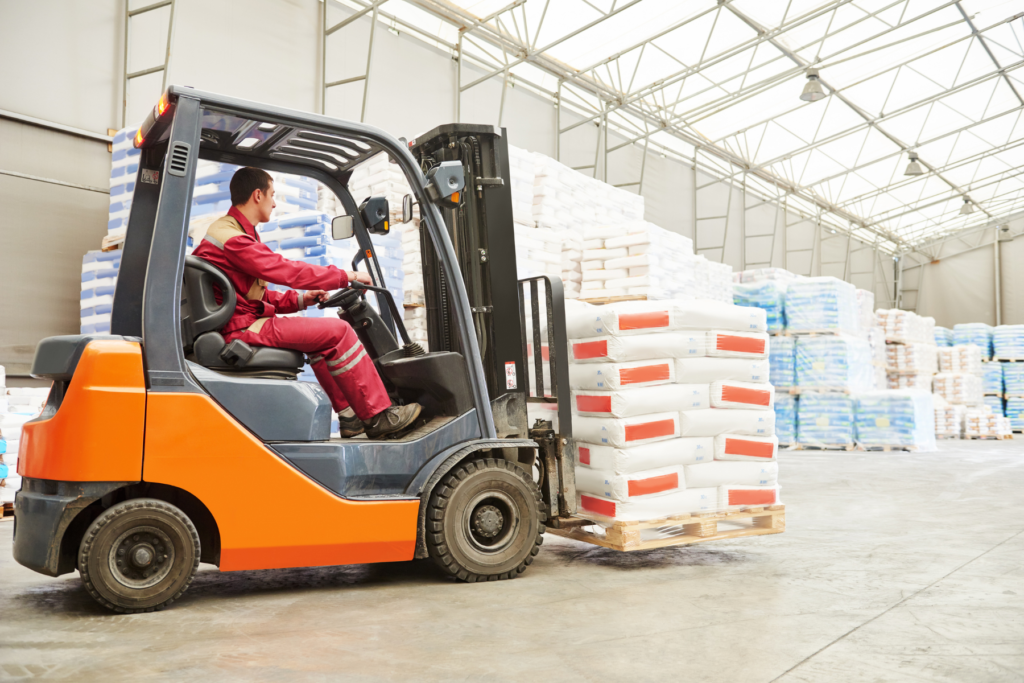
You will find them in warehouses, loading bays, shops, factories and delivery depots, where they are used to load and unload lorries and move stock to and from storage areas.

Do You Need Training to Use a Powered Pallet Truck?
There is no single statutory “pallet truck licence” in the UK, but that does not mean training is optional. Under workplace regulations on work equipment (PUWER), employers must make sure that anyone using equipment has adequate training for the job. A powered pallet truck is work equipment, so operators should be trained and authorised before they use it.
In practice, most employers and recruitment agencies ask for an RTITB or NPORS certificate or operator card as proof of training. Having one also makes you more employable in warehouse and logistics roles.
Why Are Powered Pallet Trucks Risky?
Because they are low and compact, the hazards are easy to underestimate. Common risks include:
- Crushed feet and legs, when a heavy truck rolls over an operator’s foot or traps them against a wall, rack or vehicle
- Collisions with pedestrians, especially when reversing or turning blind corners
- Loss of control on ramps, wet floors or uneven surfaces, particularly with a heavy load
- Unstable or badly placed loads that slip or fall
- Speed, as powered trucks can travel faster than people expect
- Poor pre-use checks, which can leave brakes, controls or batteries faulty
A good PPT course teaches you how to spot these risks and avoid them, not just how to make the truck move.
What Does a Powered Pallet Truck Course Cover?
Content varies with your experience and the truck you will use, but a PPT course usually combines short theory with practical operation. Typical topics include:
- Understanding the truck, its controls and its safety features
- Pre-use checks and how to report faults
- Safe starting, stopping, steering and braking
- Loading, carrying and placing pallets safely
- Working around people, vehicles and obstacles
- Using ramps, lorries and loading bays safely
- Battery awareness and safe charging practices
- Safe parking and shutdown
Training is practical. You will spend time on the truck, building control in a safe area before moving on to more realistic tasks. Powered pallet trucks work at ground level. If you will be stacking at height in racking, you need different training, such as a reach truck operator course.
Who Should Take a PPT Course?
A PPT course is relevant to:
- Warehouse and distribution staff
- Retail and supermarket staff who handle deliveries and stock
- Delivery drivers who load and unload with pallet trucks
- Factory and production workers moving materials
- Agency workers who want accredited proof of training
- Employers who need new starters trained quickly and safely
If you already hold training on another truck, you may not need to start from scratch. Our forklift conversion training can add a new truck type to what you already know, and refresher training is available if your skills need updating.

How Is the Course Assessed?
Our courses include theory and a practical assessment to RTITB or NPORS standards. You will be asked to show that you understand the safety rules and that you can operate the truck competently on your own. Small groups mean more time on the truck and more feedback from your instructor.
How Long Does PPT Training Take?
Course length depends on your experience, the type of truck and whether you need initial, refresher or conversion training. As a general guide, powered pallet truck training is simpler than a full forklift course, but beginners should still expect proper time to build their skills. We will confirm the right route when you contact us.
What Do You Receive After the Course?
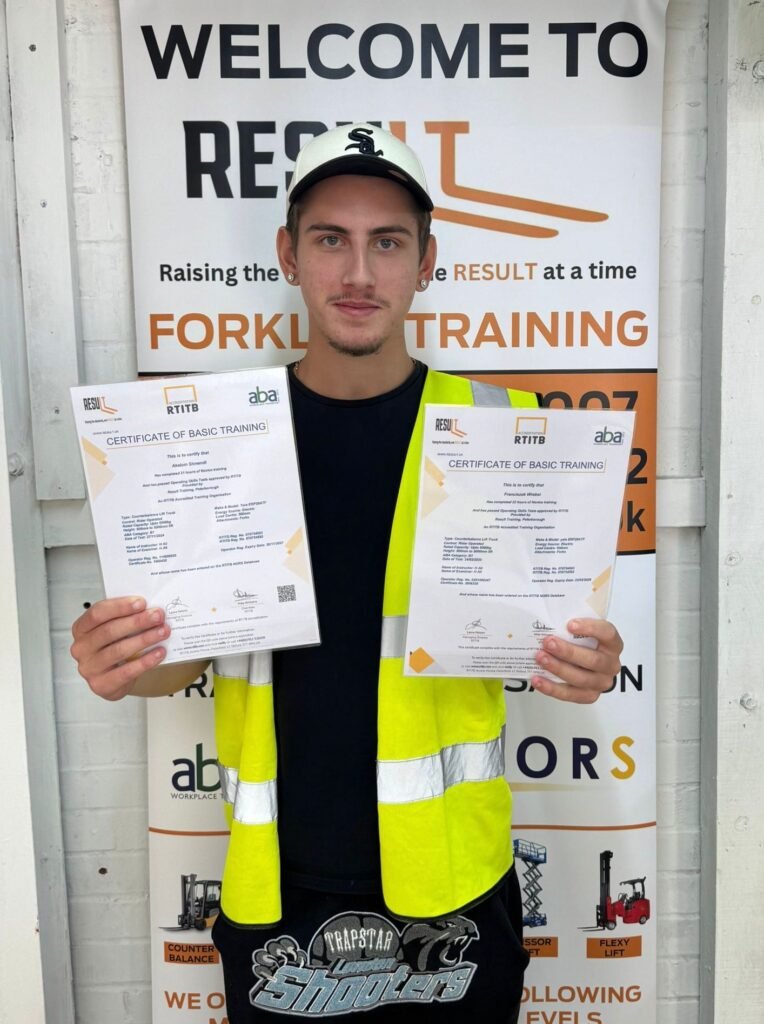
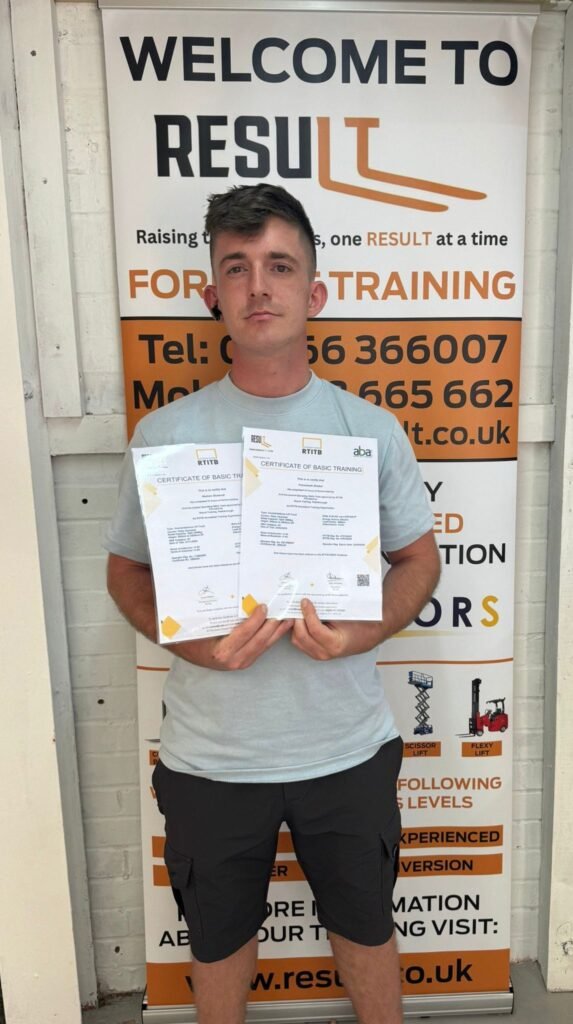
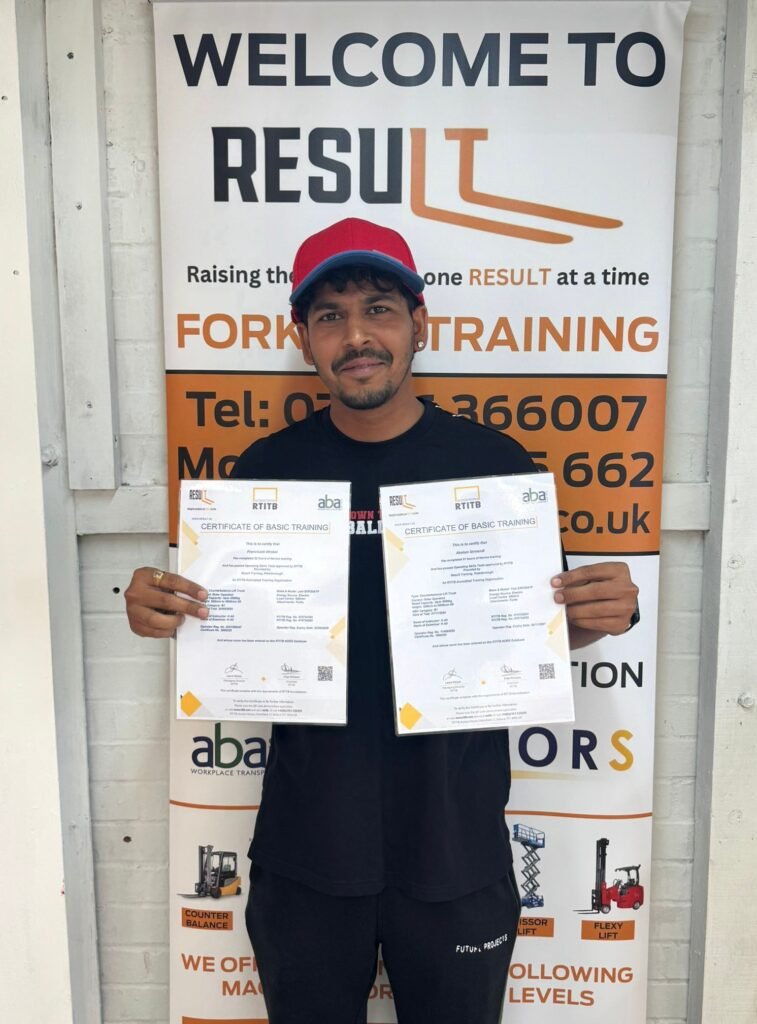
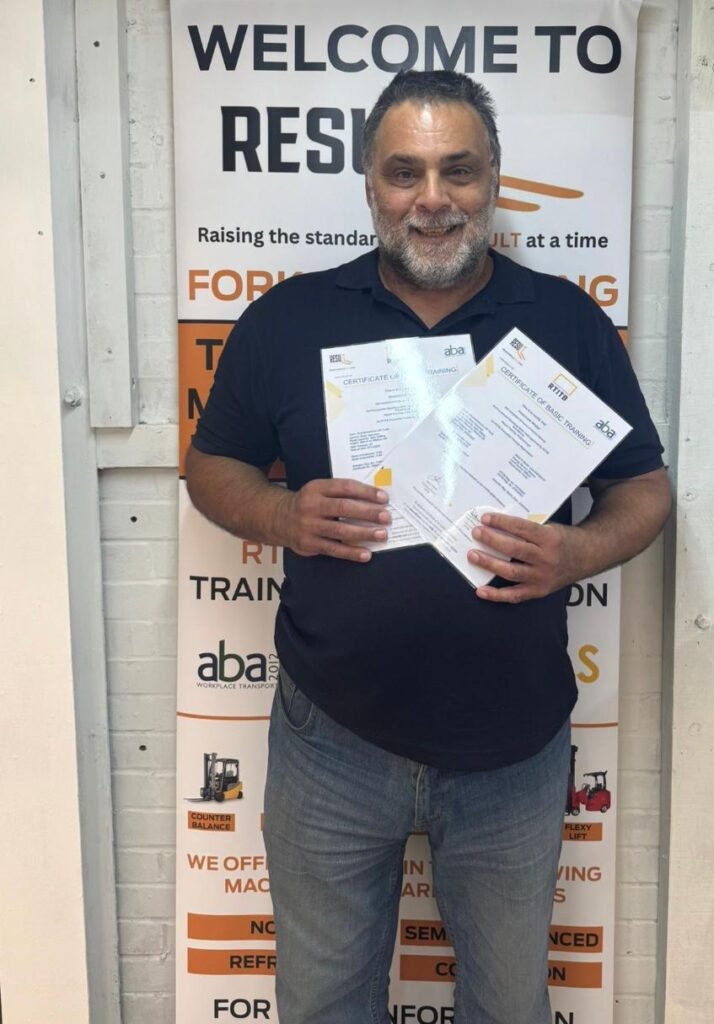
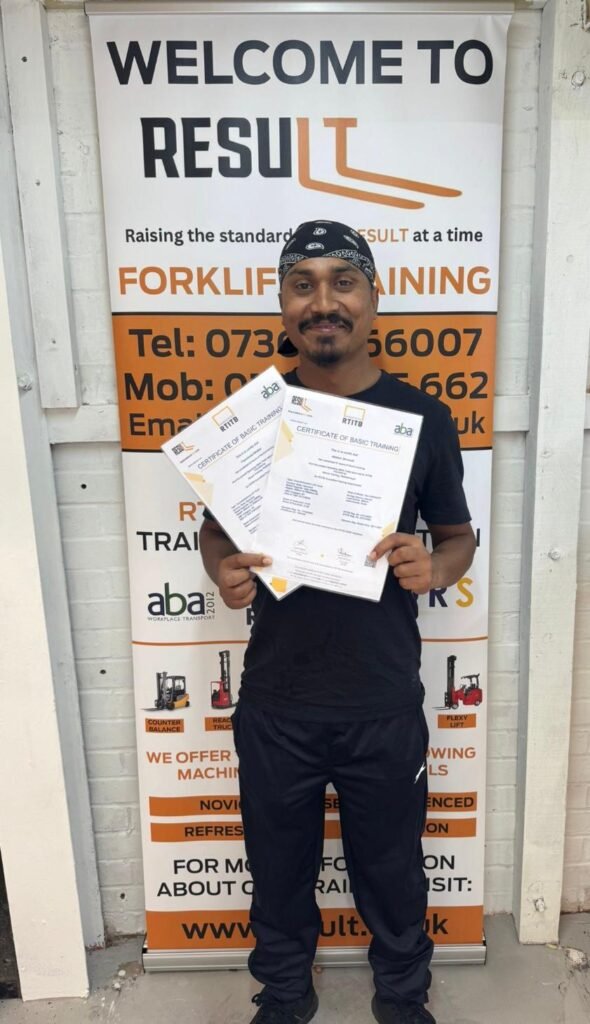
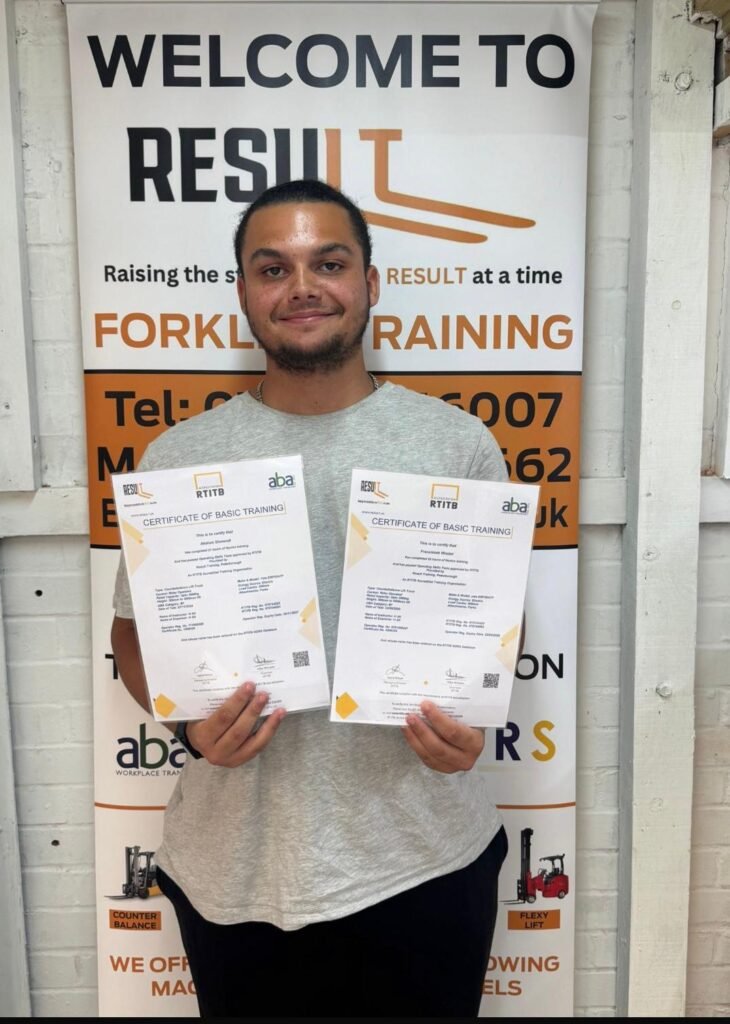
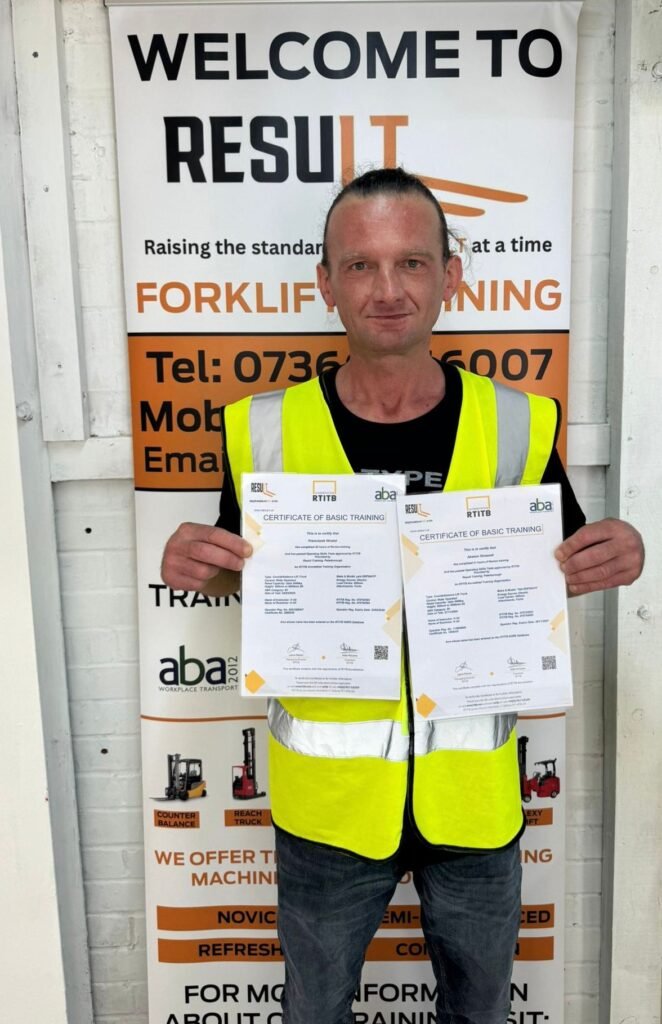
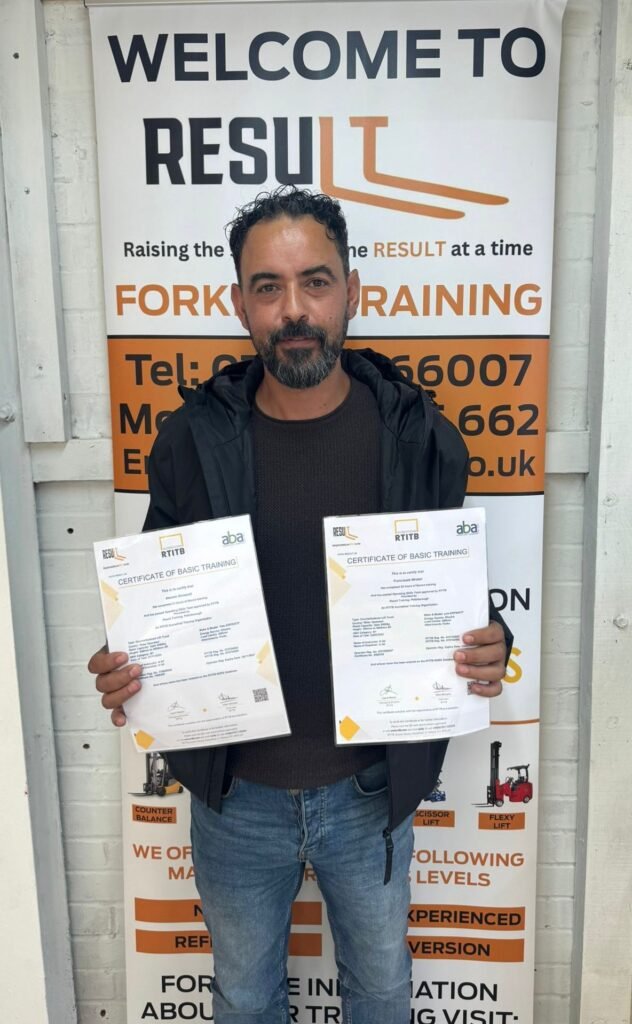
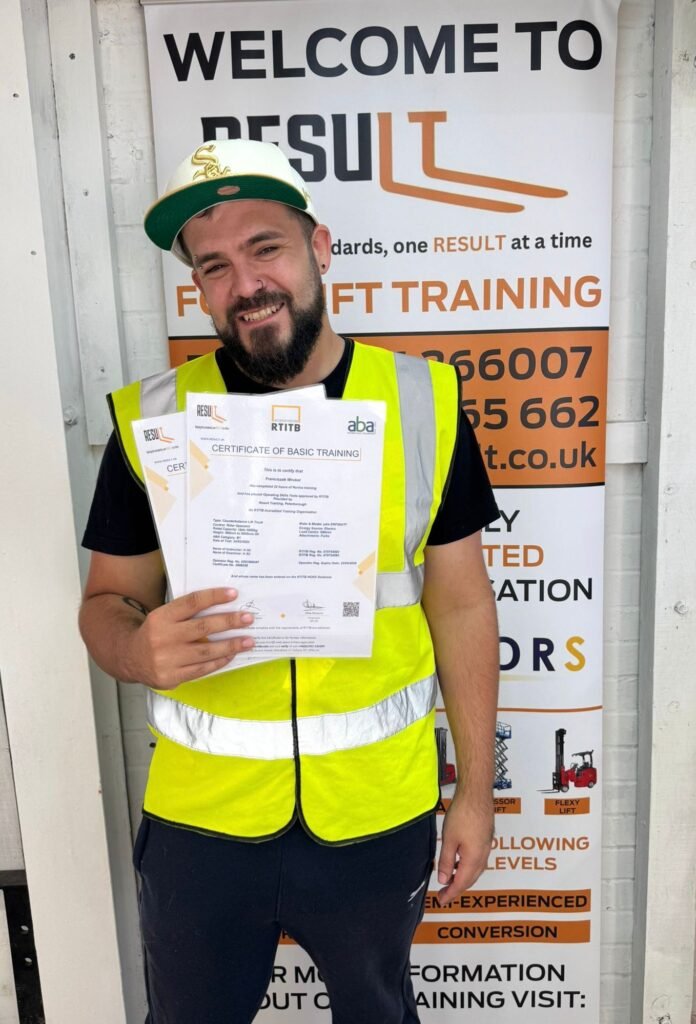
After a successful assessment you receive an RTITB or NPORS certificate or operator card, which employers and agencies recognise across the UK. Certificates are typically valid for 3 to 5 years, depending on the scheme. To understand the differences between the schemes, see our pages on RTITB and NPORS.
A certificate shows that you have been trained. Your employer still needs to authorise you to use specific equipment on their site and may give you familiarisation with their layout and procedures.
Where Can You Train?
We offer two options:
- Peterborough centre: supervised practical sessions on powered pallet trucks, suited to individuals, jobseekers and small groups preparing for warehouse work.
- Onsite at your workplace, which lets your team train on the trucks and in the areas they will actually use. The machines and a safe working area need to be provided. Find out more on our onsite training page.
Powered pallet truck training is available to learners and employers in Wisbech, Peterborough, Stamford and Huntingdon. We also serve other nearby towns, including Kettering and Corby, and deliver onsite training nationwide. The full list is on our locations page.
Frequently Asked Questions
Yes. Employers have a duty to make sure anyone using work equipment is adequately trained, and a powered pallet truck counts as work equipment. Most employers expect an RTITB or NPORS certificate or operator card.
No. A powered pallet truck has a motor and battery, so it moves loads with much more force and speed. That makes it more hazardous than a manual hand pallet truck and is why proper training matters.
No. It also suits experienced operators who need an accredited certificate, a refresher, or conversion from another type of truck.
It is typically valid for 3 to 5 years, depending on the scheme. Refresher training helps keep your skills and certification current.
Yes. Onsite delivery is available at employer premises in these areas and across the UK, provided suitable equipment and a safe working area are available. Individuals can also attend our Peterborough centre.
Book Powered Pallet Truck Training
Whether you are starting a new job or training a team, we can help you find the right PPT course. Visit our powered pallet truck training page for course details, or contact us to arrange training in Wisbech, Peterborough, Stamford or Huntingdon.