

Starting forklift training for the first time can feel slightly intimidating, especially if you have never operated workplace machinery before. Most beginners are unsure what the first session will involve, how difficult the training will be, or whether they will be expected to drive equipment immediately.
In reality, professional forklift training courses is designed to build confidence gradually. Your first session is there to help you understand the equipment, workplace safety procedures, and basic operating techniques in a controlled and supportive environment.
At Forklift Training Centre, courses are structured for both complete beginners and experienced operators looking to refresh their skills. Whether you are entering warehousing, logistics, manufacturing, or construction work, the aim is to help you become a safe, confident, and workplace-ready operator.
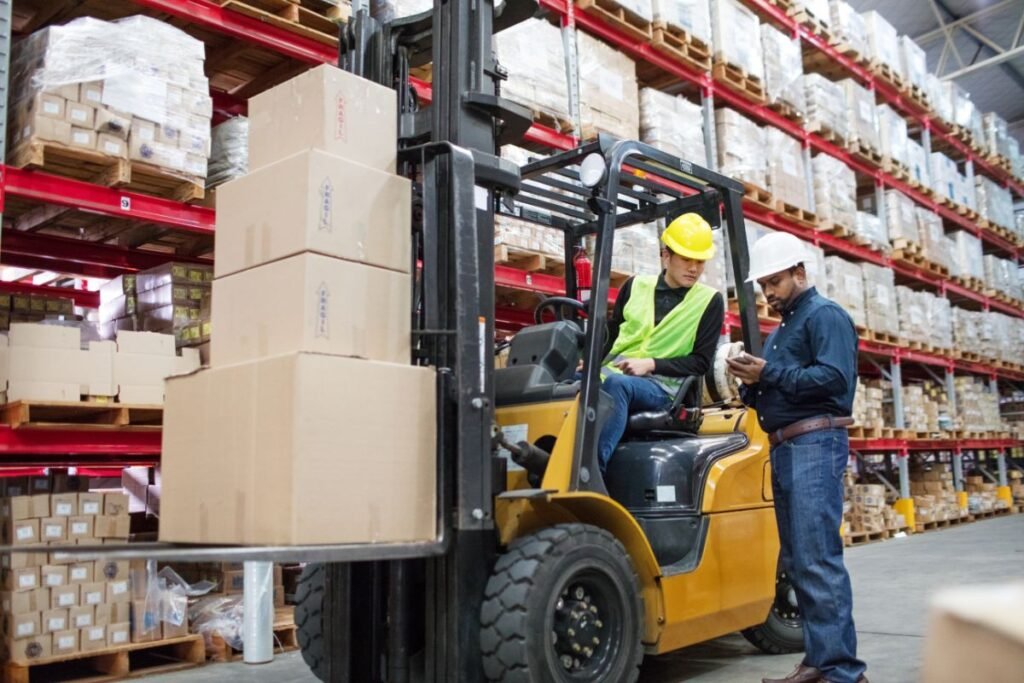
Getting Familiar with the Forklift
Before anyone begins practical driving exercises, instructors usually introduce the forklift itself and explain how the equipment works.
During the first session, you will normally learn:
- the main controls and steering system
- how lifting mechanisms operate
- forklift balance and stability
- safe mounting and dismounting procedures
- basic pre-use safety checks
This early stage is important because forklifts handle very differently from normal vehicles. Taking time to understand the machine properly helps reduce nervousness once practical exercises begin.
At Forklift Training Centre, instructors explain these systems clearly and practically so beginners do not feel overwhelmed with technical information.
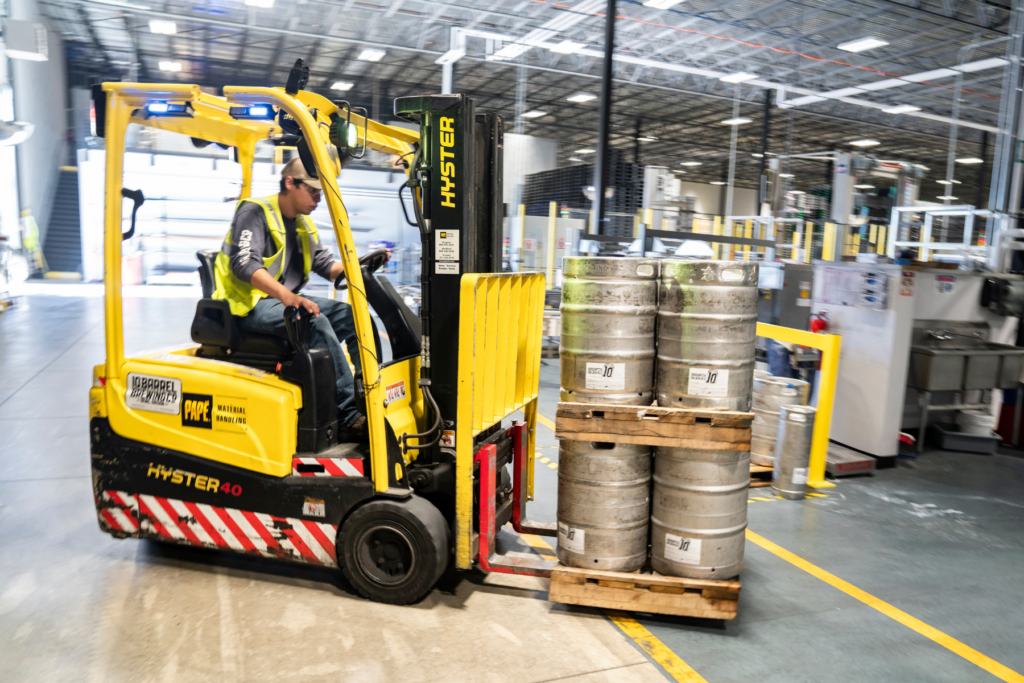
Safety Procedures Come First
Workplace safety is one of the biggest parts of any RTITB or NPORS accredited forklift course.
Your first training session will usually cover important areas such as pedestrian awareness, safe operating distances, hazard identification, and proper parking procedures. These are the habits employers now expect operators to follow consistently in real warehouse and site environments.
The table below gives a simple idea of what is commonly introduced during an initial training session:
| Training Area | What You Learn |
|---|---|
| Equipment Controls | Steering, lifting, braking, basic handling |
| Safety Awareness | Hazard spotting, pedestrian safety, site rules |
| Inspection Checks | Daily forklift checks before operation |
| Practical Exercises | Slow-speed movement and positioning |
| Workplace Procedures | Safe parking and operating habits |
This structure helps learners build confidence step by step rather than being rushed into advanced manoeuvres too quickly.
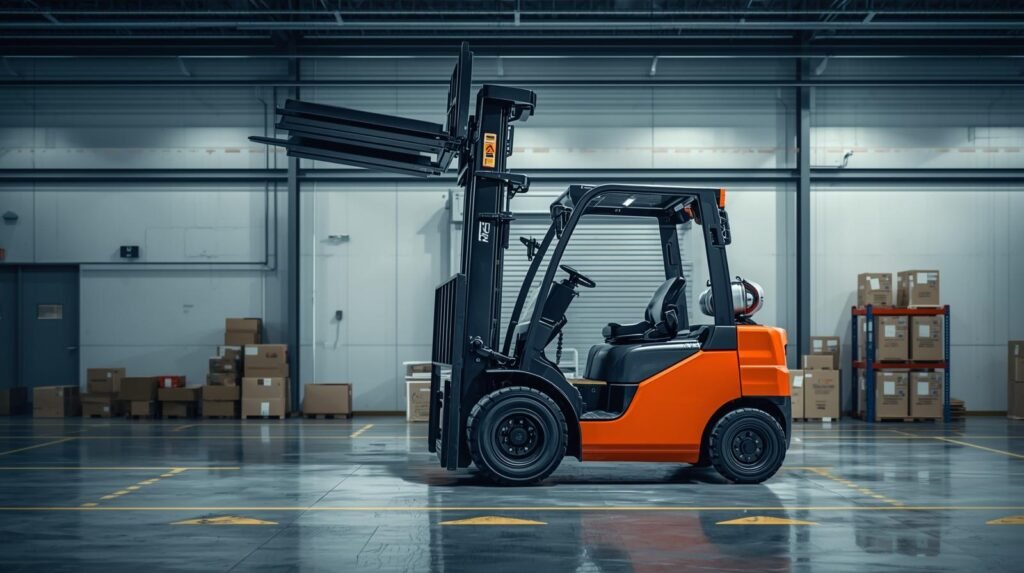
Your First Practical Exercises
Most beginners are surprised by how calm and controlled the practical training environment actually is.
The first exercises are usually simple and focus on helping learners feel comfortable operating the forklift at low speed. Instructors guide you throughout the session and correct mistakes gradually as your confidence improves.
Early practical tasks often include:
- controlled forward and reverse driving
- safe turning and positioning
- stopping smoothly and safely
- understanding forklift spacing and movement
At Forklift Training Centre, smaller group sizes also allow learners to receive more hands-on support and individual guidance during practical training sessions.
Building Confidence Through Structured Training
Many beginners worry about making mistakes during training. In reality, mistakes are expected and form part of the learning process.
New operators commonly:
- steer too sharply at first
- misjudge turning space
- brake too suddenly
- feel nervous around manoeuvres
Professional instructors understand this and focus on helping learners improve steadily rather than pressuring them to perform perfectly immediately.
This structured approach is one reason accredited training is so important. It helps operators build safe habits properly from the beginning instead of developing poor techniques later.
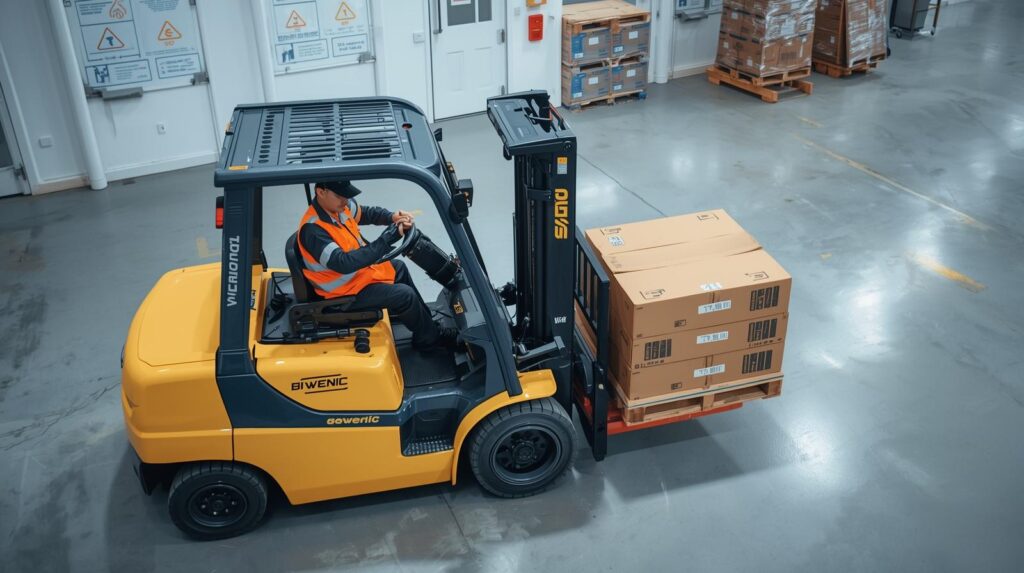
Understanding RTITB and NPORS Certification
During your course, you may hear instructors refer to NPORS and RTITB accreditation.
These qualifications are recognised across the UK and are widely accepted within warehousing, logistics, manufacturing, and construction industries. Many employers specifically look for accredited certification when hiring forklift operators.
Training with Forklift Training Centre helps ensure:
- training follows recognised industry standards
- operators understand real workplace expectations
- qualifications are accepted by employers nationwide
- learners receive both practical and safety-focused instruction
For many people, this training becomes the starting point for long-term work opportunities within industrial and warehouse sectors.
Your first forklift training session is designed to introduce you to safe equipment operation in a calm, supportive, and structured environment. You are not expected to know everything immediately, and professional instructors understand that confidence develops gradually through practice.
With proper accredited training, clear instruction, and hands-on support, most beginners become comfortable operating forklifts far quicker than they expect.
For anyone considering work in warehousing, logistics, manufacturing, or plant operations, Forklift Training Centre provides practical RTITB and NPORS accredited training that helps operators build confidence, improve workplace safety awareness, and gain qualifications recognised across the UK.
FAQs
Your first forklift training session usually includes equipment familiarisation, workplace safety guidance, inspection checks, and basic practical driving exercises in a controlled environment.
No. Most accredited forklift training courses are designed for complete beginners as well as experienced operators needing refresher training.
Most beginners find forklift training easier than expected once they understand the controls and safety procedures. Professional instructors guide learners step by step throughout the course.
After successfully completing accredited training, operators can receive recognised RTITB or NPORS certification accepted across UK warehousing, logistics, and construction industries.